
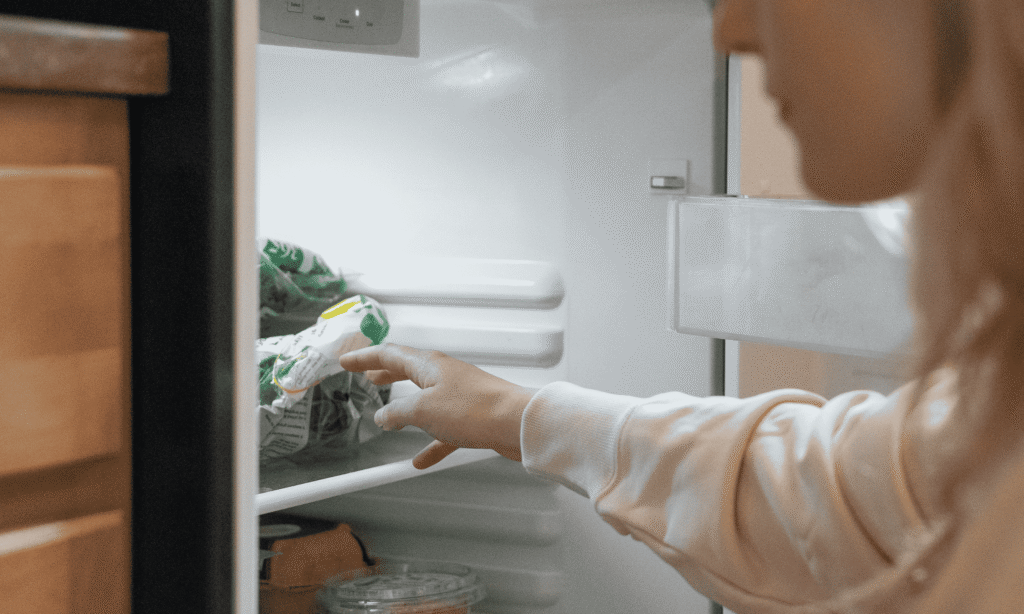
My Refrigerator is Warm! – What’s Wrong?
A refrigerator not cooling is often cause for alarm. After all, you like the food in your fridge, and don’t want to see it spoil when your refrigerator is warm.
But don’t panic! There are a plethora of reasons why this happens. You may or may not need to repair anything. We’ll get into the nitty-gritty of refrigerator maintenance and show you how to troubleshoot refrigerator not cooling issues so you can find the right problem and go about fixing it.
9 Things to Check When a Refrigerator Is Not Cooling
The most likely culprits for a refrigerator not cooling enough involve problems with door gaskets; problems with the sealed system through which refrigerant flows; problems with airflow, fans, or compressors; or problems with power or electrical components. The good thing is if you need a part, we likely have it at Appliance Parts King.
#1: Check For Ice Buildup Inside the Freezer
If you see ice buildup inside the freezer, the explanation could be as simple as a freezer door that’s not closing properly or door gaskets not creating a complete seal — or it could be a sign of a problem with the defrost cycle.
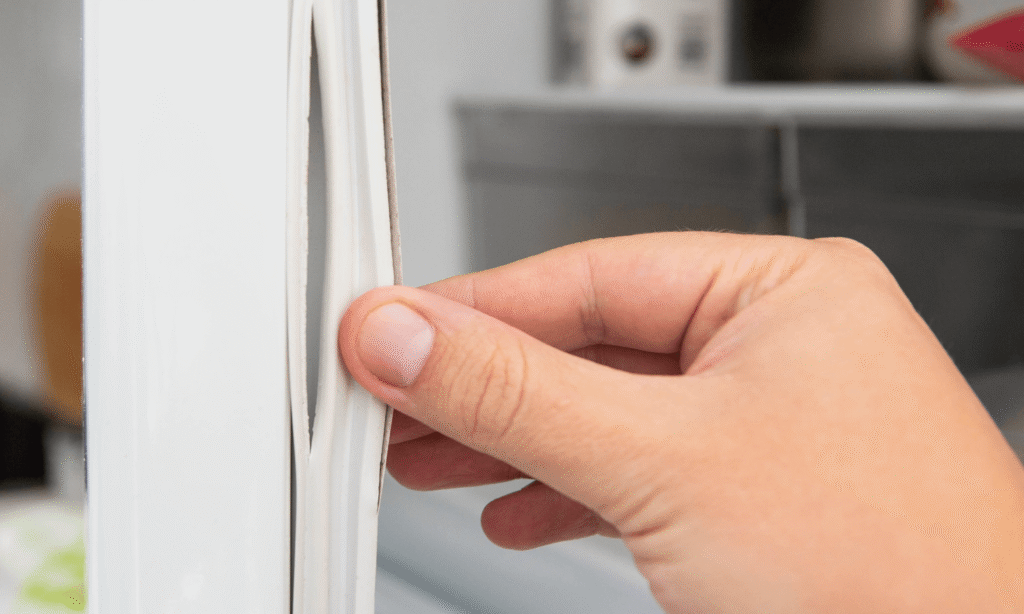
Make sure that no food items are preventing the door from closing fully. If the freezer door is closing properly but you still see ice buildup, inspect your door gaskets (rubber sealing around the freezer door) to ensure that they provide a complete seal. Check the seals all the way around the freezer and look for any signs of tears, rips, or deformation. In addition, close the freezer door, then look for gaps between the seal and the case of the refrigerator or freezer.
Pro Tip: Use a flashlight placed inside the (closed) freezer to shine light through gaps in the seal. Turn on a flashlight, put it inside the compartment you are checking, and close the freezer door. If you see light shining through the seal when the freezer door is closed, you’ve found the problem.
#2: Rule Out Power Issues
Check to ensure that your refrigerator is plugged in and receiving power, and make sure the power lights are on. We recommend turning off the power for 3 minutes or more, which will reset any computers in your refrigerator, which may resolve the issue. (Shut off the power either by turning off your breaker or unplugging your unit, but not both.)
#3: Set Temperature Controls at Factory Default
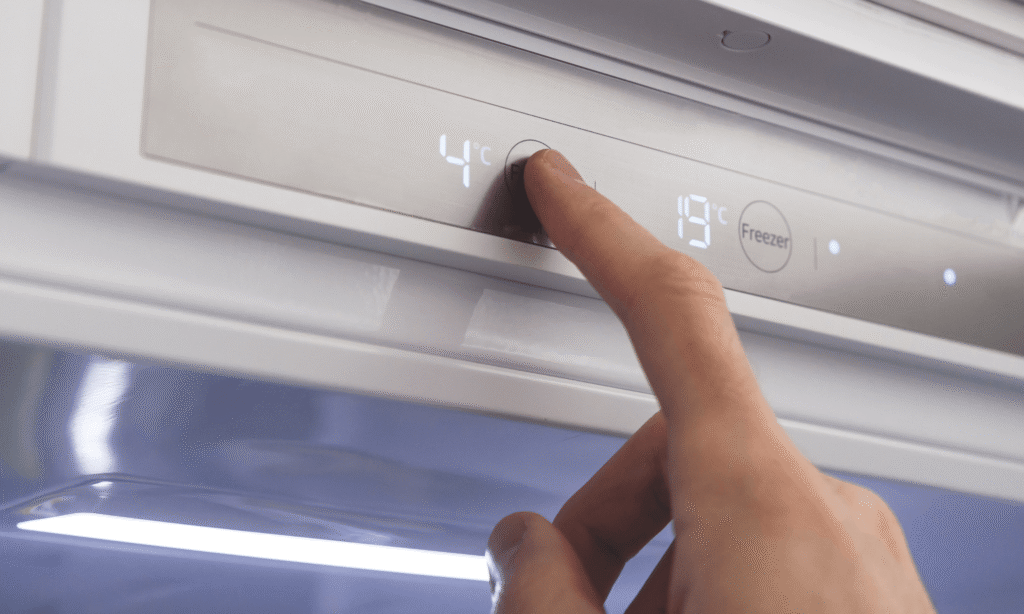
Make sure the temperature controls weren’t accidentally adjusted and that the fridge and freezer temperature dials are set to the proper levels. In general, it’s crucial to set refrigerator and freezer temperature controls near the factory defaults (0 degrees for the freezer and 37 degrees for the refrigerator). Manually-operated temperature dials usually have marks or notations indicating the factory-recommended cooling settings.
Small adjustments to factory default temperatures are okay, based on user preferences, but Appliance Parts King does not recommend adjusting the temperature settings to compensate for refrigerator or freezer cooling problems. Lowering the refrigerator temperature to compensate for inefficient cooling performance could mask more serious problems and put stress on other components of the refrigerator, while also using more electricity than needed.
#4: Make Sure the Vents Inside the Freezer Are Clear
Make sure large, bulky items don’t block the vents inside the freezer compartment (at the back). Leave some room for cold air to circulate — as packing large items near the freezer walls and top and bottom vents can interfere with proper air circulation. Air needs to circulate freely through your freezer to allow for proper cooling.
#5: Door Gasket, Hinge, or Slide Problems
Any rips, tears, or gaps in door seals will allow moist air to enter the refrigerator or freezer, leading to frost formation. Similarly, problems in hinges or door slides could also allow moist air to enter and result in a refrigerator not being cold.
Remember we carry many commonly-used parts right on our site, so make sure to see what we recommend.
#6: Sealed System is Compromised
Your refrigerator/freezer is cooled by a mixture of liquid and gas (refrigerant), pumped through a sealed system — comprising a compressor, evaporator, condenser coils, and refrigerant lines. Leaks, problems, or blockages in any part of this system can interfere with regular cooling activity.
#7: Airflow Issues or Compressor/Fan Problems
Anything compromising the circulation of air through the refrigerator/freezer unit will interfere with cooling activity. Air must circulate freely through the freezer compartment, to the lower outside rear portion of the unit, and down by the compressor and condenser coils.
On the back of the unit, a fan blows air over the condenser coils onto the compressor to cool down the coils. A malfunctioning fan or compressor, dirty or clogged condenser coils, or blockages in the air vents (or anywhere in between these areas) will affect the cooling of the refrigerant and the temperature of the refrigerator/freezer.
#8: Dirty Condenser Coils or Blocked Vents
Refrigerator and freezer cooling activity involves a compression and expansion cycle, in which a compressor pressurizes liquid refrigerant, then further compressed into a small tube — before it is ultimately pumped into a much larger set of tubes, where it expands into a gas, triggering a chemical reaction and rapid cooling.
During the “high-pressure” stage of this cycle, heat is generated in the condenser coils, and then a fan dissipates it into the atmosphere. If lint accumulates on the condenser coils, it acts like a blanket and holds the heat in, preventing the fan from cooling the liquid and resulting in the refrigerator not cooling.
You can check out our other posts on how to clean the coils.
#9: Power or Electrical Problems
If the refrigerator/freezer is plugged in and the computers have been reset (as explained above), failure in one of the system’s many electrical components could be a possible cause of cooling problems. The proper functioning of the defrosting circuit involves heaters, thermostats, relays, computer boards, timers, temperature sensors, wire terminals, and other components.
Every 8-12 hours, the defrost system interrupts cooling activity, so that heaters inside the back freezer panel can melt frost buildup on the evaporator coils, thereby ensuring that air flows freely throughout the system.
The melted frost drips from the inside of the freezer down into a drain, then outside the fridge to the compressor area, where a fan then blows heat through the condenser coils, causing this water to evaporate. If anything prevents the defrosting system from clearing ice buildup, ice hardens into a solid brick, preventing cooling air from flowing through the fridge and freezer.
To ensure that your refrigerator and freezer continue to operate smoothly and optimally, perform manufacturer-recommended annual maintenance, such as condenser coil cleaning and water filter replacement. And if you need a part, then Appliance Parts King is ready to help.
Tags:


applianceparts