
Load Your Dishwasher Like a Pro and Rule Your Kitchen!
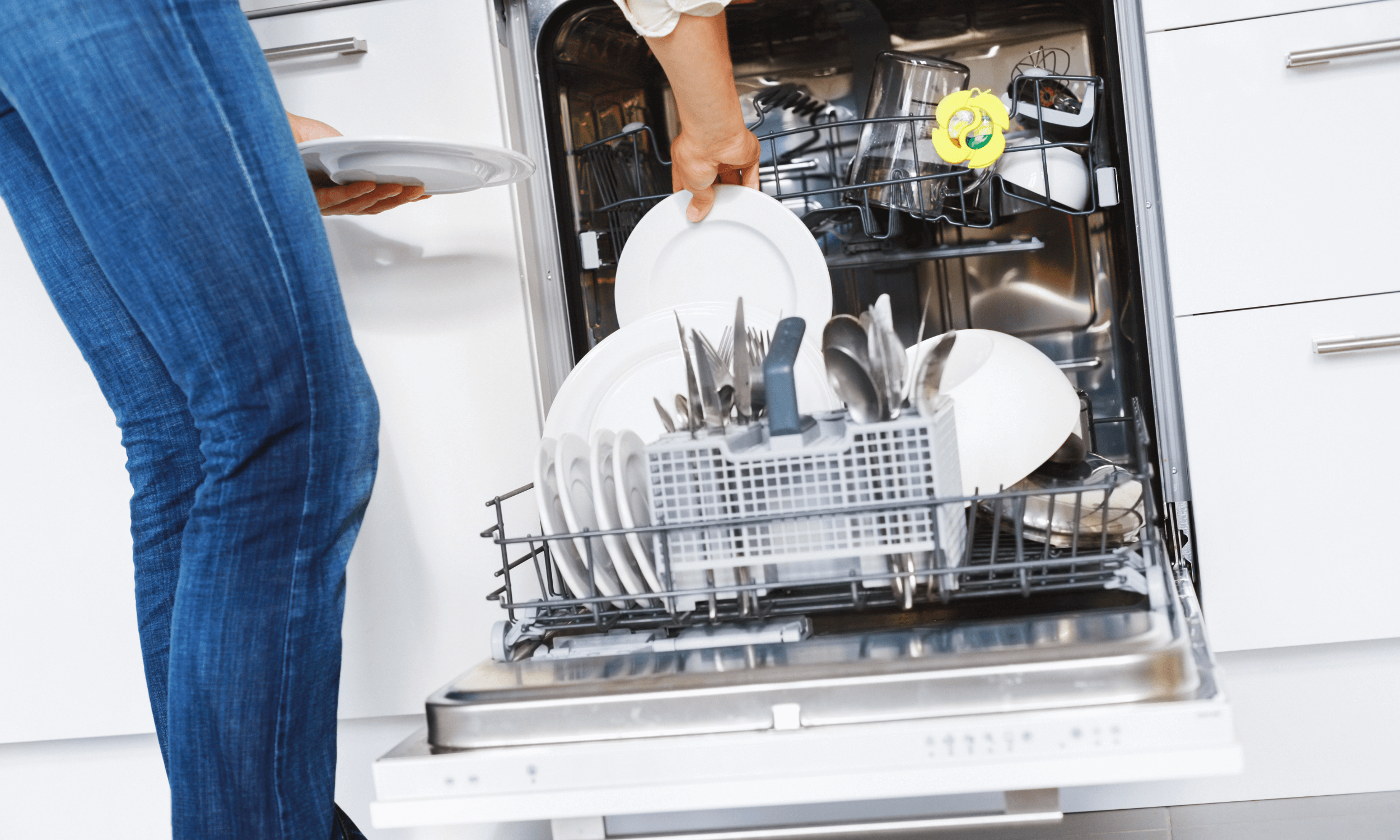
What is the best way to load a dishwasher? Though everyone thinks their method is best, there are dishwasher loading truths that result in cleaner dishes. For example, facing dishes toward the spray arms and positioning bowls and cups upside down make for better cleaning, rinsing, and drying. Learn how to load a dishwasher correctly to end the debate, improve performance, and rule your kitchen!
How to Determine the Best Way to Load a Dishwasher
The best way to load a dishwasher not only means dishes are cleaner but also drier and streak-free. We’ll break down how to load each rack and specify some common loading mistakes to avoid. But first, here are some pre-loading tips that set the stage for success.
Pre-Loading Tips
Some of the most essential dishwasher loading tips outline what to do before loading a single dish. Prepping your dishes and dishwasher properly can ensure they function optimally, yielding better results.
Follow these pre-loading tips for cleaner dishes:
- Scrape off large food particles: Bones, seeds, and peels can clog the dishwasher’s filter and pump, resulting in puddles and leaks.
- Add rinse aid: Rinse aid alters the surface tension of water droplets, allowing them to run off dishes and glassware with ease, thereby improving drying efficiency. If your dishwasher leaves dishes wet, consider adding more rinse aid.
- Turn on the garbage disposal: If you have a disposal, it likely shares a common drain with the dishwasher. Running the disposal before starting a wash cycle clears the drain of food particles, allowing the dishwasher to drain adequately.
- Run the hot water: Before starting a wash cycle, run the hot water in your kitchen sink for 1-2 minutes. Hot water is more effective at removing stains, ensuring it’s readily available to the dishwasher.
Loading the Upper Dish Rack
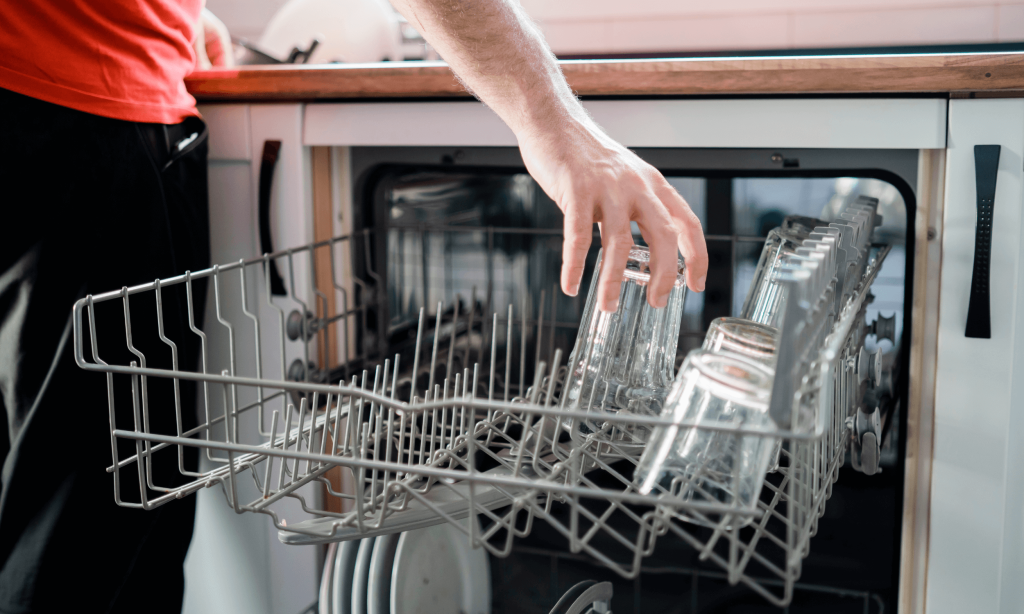
The upper dish rack is designed to hold bowls, cups, glasses, and small plates. It’s also recommended for plastic items, as it’s the furthest rack from most dishwasher heating elements.
Here’s how to load a dishwasher top rack correctly:
- Place cups and glasses upside down, at an angle, along the perimeter of the rack.
- Position bowls and small plates upside down, between the tines, in the middle of the rack.
- Raise or lower the upper rack to accommodate taller items below. Some upper racks can be removed completely to maximize space for large cookware.
Lower Dish Rack Loading Tips
Reserve the lower rack for dinner dishes, cookware, and serving platters. However, avoid putting wooden cutting boards or dishes embellished with bronze or gold in the dishwasher to prevent warping and other damage.
Follow these tips to best load the lower rack:
- Place each dinner dish between the tines, facing them inward toward the spray arms.
- If dishes come out dirty, try alternating large and small plates to prevent nesting.
- Position larger cookware and serving platters along the back and sides of the rack so they don’t block the spray arm’s rotation. Many user manuals include a dishwasher loading diagram that specifies the best way to position these items.
How to Load the Silverware Basket
The silverware basket securely contains eating utensils so they’re sufficiently cleaned. However, they must also be appropriately loaded to remove stains and food particles.
These tips detail the best way to load a dishwasher’s silverware basket:
- Alternate forks, knives, and spoons next to each other or when placing them in individual slots to avoid nesting.
- To prevent injury, place knives with the blades facing down.
- If your dishwasher has a 3rd rack for cutlery, place one utensil per slot. Larger serving utensils can also be laid flat on this rack.
Avoid These Common Loading Mistakes
Sometimes, the best way to load a dishwasher is to know what not to do.
Steer clear of these common loading mistakes:
- Skip the pre-rinse: Most dishwasher detergents work better when combined with some grease and grime.
- Avoid overloading: Placing too many items too closely together restricts their access to water, detergent, and air, impairing cleaning and drying.
- Add the right amount of detergent: Using too much can leave residue on dishes, while using too little can leave them dirty. Follow the detergent recommendations in your model’s user manual for detergent measurements specific to different wash loads.
What if your dishwasher isn’t cleaning properly even after using these loading tips? Contact one of the pros at Appliance Parts King through our online chat, and they will help you troubleshoot the issue.
Tags:


applianceparts